

October follows the annual wave of new smartphones from September, making it a busy month of tech news. I’ll be telling you the most impactful and interesting stories to keep you up to date.
The iPhone 17 and iOS 26
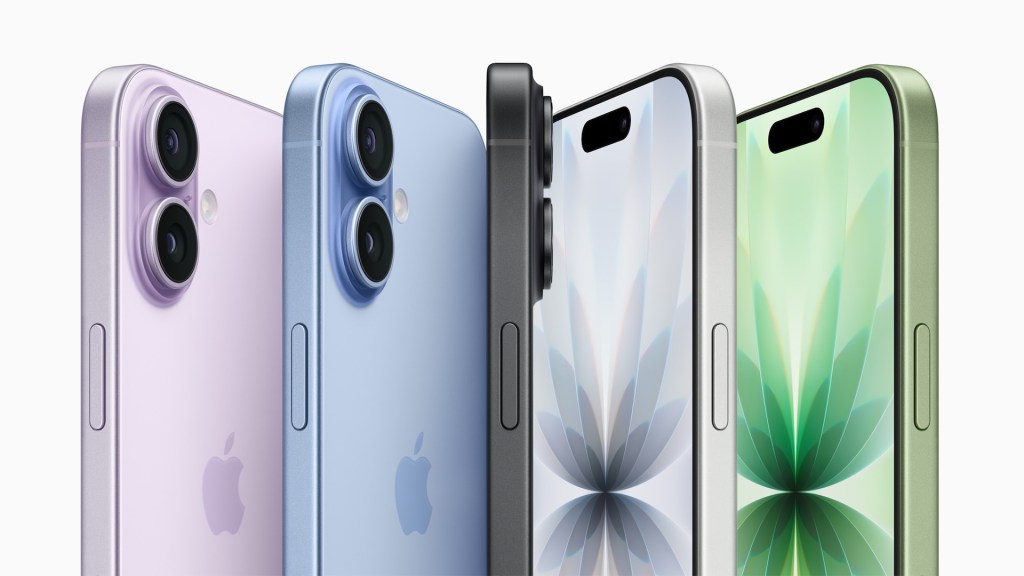
While this is September news, it remains relevant now: Apple released the iPhone 17, like they do every year—but the difference this year is that they are no longer selling the Plus model, a version of the base iPhone 14, 15, and 16 with a larger display and battery. The iPhone 17 has been replaced with the iPhone Air, a thinner iPhone model (also with a smaller battery). The iPhone 17 looks identical to the 16, but with a slightly larger display and some different colours. The iPhone 17 Pro looks different this year, with a redesigned camera module—the first since 2020. The Pro drops the titanium frame—which was the main selling point of the iPhone 15 Pro in 2023—reverting back to aluminium, and also adding glass on the back. Apple followed its traditional custom of upgrading the iPhone’s cameras and chipsets.
When you buy the iPhone 17, you may notice that the interface looks different. That’s Apple’s new “Liquid Glass” interface, part of iOS 26, which is a new operating system version announced at Apple’s annual developer conference, WWDC 2025—or “dub dub” for short. But that’s not all—iOS 26 adds call screening, so Siri can talk to the caller before you do, making sure it’s not spam; and Hold Assist, to allow your iPhone to wait in those dreaded support queues, so you can get better stuff done instead. iOS 26 is also available on the iPhone 11 and later, and alongside it is iPadOS 26 for iPad, and macOS Tahoe for Mac.

Adobe competitor Affinity goes free of charge, bringing more options for creators
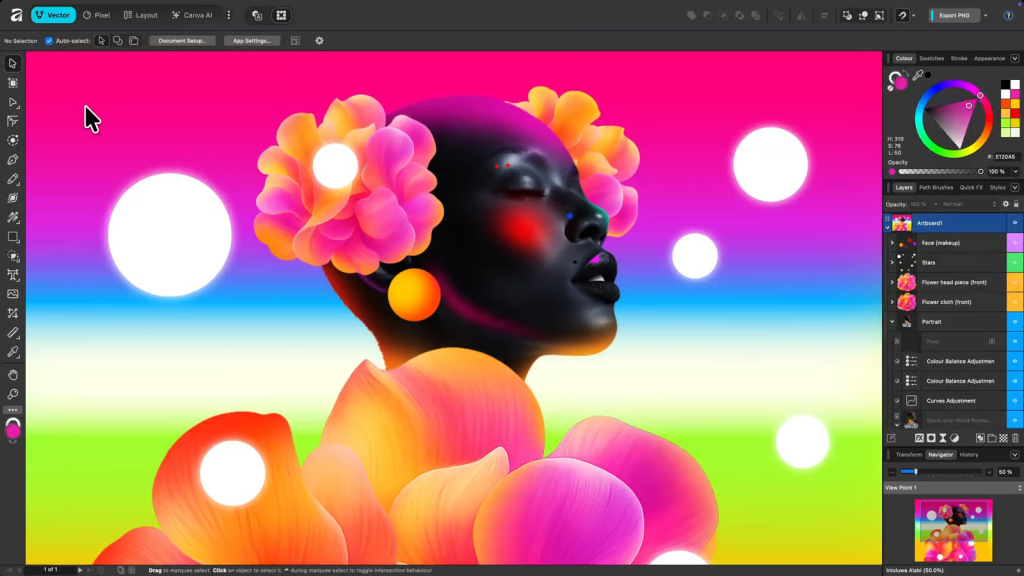
Affinity, the editing suite competing with Adobe, went free on October 30. They previously had a one-time purchase model, in contrast to Adobe’s monthly subscription, which has the dreaded early cancellation fee. This makes Affinity accessible to more people, including everyday people who are experimenting with design.
Affinity’s consumer-friendly pricing has already drawn many creators from Adobe Creative Cloud, which includes flagship apps like Photoshop, Illustrator, and After Effects. Following Canva’s 2024 acquisition of Serif, Affinity’s parent company, their mission is for creative freedom. The new version of Affinity merges their existing apps, Photo, Designer, and Publisher, into one “everything” app. The only thing that costs money now is Canva’s new AI features, requiring a Canva Pro subscription.
Samsung begins the XR Wars
On the 21st, Samsung unveiled the Galaxy XR, its direct competitor to the Apple Vision Pro. The Galaxy XR runs Android XR, a new version of the Android operating system—basically bringing the Apple vs. Android competition to XR headsets. The best part is that it’s available for $1799, which is half the price of the Vision Pro. Compared to the Apple Vision Pro, the Galaxy XR has high-quality micro-OLED lenses and is significantly lighter than the Vision Pro, making it more comfortable to wear. Additionally, it supports YouTube and Netflix.
Speaking of the Vision Pro, Apple upgraded its chipset from the M2 chip to a brand-new M5 chip, offering better performance and AI features. The new Vision Pro also has a more comfortable band, improved display resolution, and longer battery life. But its $3499 price tag hasn’t changed.

The day the computers died: Microsoft ends support for Windows 10
On October 14, Microsoft officially ended support for Windows 10, the world’s most popular operating system on computers. This means that Windows 10 will no longer receive security updates, making computers more susceptible to viruses and malware, which is already common on Windows. Four years ago, Microsoft announced Windows 11, despite previously saying that Windows 10 would be its last operating system.
Windows 11 came with strict requirements that most computers made before 2018 don’t support. As of 2025, over a billion computers still run Windows 10—over 40% of all computers. Microsoft is pushing Windows 10 users to buy new Windows 11 PCs that are also AI-capable. Computers are already getting expensive, but at least Microsoft is making more money! And what’s gonna happen with all the old computers? Get put in landfills?
For those who don’t want to throw away their computers, Linux-based operating systems are a great alternative, allowing users to keep their data and avoid data-hungry AI getting shoved in their faces. In addition, Linux is free.
Windows 10 was my childhood operating system, and I will miss it. Using my old Windows 10 computer brings back nostalgia. RIP Windows 10 (2015-2025).

Grammarly rebrands to Superhuman
This month, two of the three major cloud computing providers had an outage. When most of the internet relies on only three companies, Amazon, Google, and Microsoft, a large fraction of the internet is likely to be disrupted if any of them have issues.
On the 20th, Amazon Web Services (AWS) had issues with DNS resolution, which allows users to locate websites and servers, on one of their major servers. This outage caused platforms such as Amazon, Canvas, Fortnite, Snapchat, and Roblox to go down, which was why you couldn’t do your work.
On October 29, Microsoft Azure had an error with their content delivery network (CDN), Azure Front Door. The Azure outage affected major businesses and platforms such as Microsoft Office, Starbucks, Alaska Airlines, London Heathrow Airport (LHR), and even the Scottish Parliament.

Other tech updates from October
OpenAI released ChatGPT Atlas, a web browser with ChatGPT integrated. Atlas uses ChatGPT as a search engine, replacing Google Search, and allows ChatGPT to see your tabs and browse for you. Since it is based on Chromium, just like Google Chrome, you won’t be missing a lot of features and extensions. OpenAI is jumping on the bandwagon to replace people’s everyday tools with AI agents. But Atlas is only available for macOS currently.
Sora 2, a new version of OpenAI’s video generator, was released on September 30. Compared to the original version of Sora, Sora 2 makes more realistic videos and is available for free if you have an invite, or with the ChatGPT Pro subscription for $20/month.




 Eagle's Eye Newspaper